What does a restaurant marketing agency in Dubai do?
A restaurant marketing agency in Dubai fills tables and orders by managing how people discover and choose you. It optimises your Google Maps profile, builds menu pages that search engines can read, runs Instagram content and ads, sets up reservations and direct ordering, plans Ramadan and brunch campaigns, and keeps claims and influencer activity within UAE rules.
Instagram and Google Maps are the front door
Guests rarely decide in one place. They discover you on Instagram, where the dishes and the room sell the idea. They verify on Google Maps, where the rating, hours, photos and distance decide the visit. Then they book by WhatsApp, a booking link or a phone call, or they order through an app. A restaurant marketing agency in Dubai manages that whole journey, not one app.
Every handover is a place to lose them. An Instagram bio that links to a homepage, a Maps listing with last month’s hours, or a booking number nobody answers during service each cancel the work done before it. We audit the whole chain first, starting with local SEO for Maps and Instagram marketing for discovery.
Searches are local and situational: “brunch Dubai Marina”, “shawarma Deira open now”, “outdoor terrace Downtown”. Your profile and pages need to state the neighbourhood, cuisine, occasion and hours in the words guests actually use.
Would this work for your business? Send us your website and we will tell you what to fix first, free and within one business day.
Get a free auditDelivery apps or direct ordering? Both, with a plan
Talabat, Deliveroo and similar apps bring orders from people who would never have found you. They also take a commission, hold the customer relationship and put your menu beside every competitor’s.
| Question | Delivery apps | Direct ordering (site, WhatsApp) |
|---|---|---|
| Discovery | Strong inside the app, within your delivery zone | Weak until guests know you; needs search, Maps and social |
| Margin | Reduced by commission and promotions you fund | You keep more of each order |
| Customer data | Mostly held by the app | Yours, with consent, for repeat marketing |
| Control | App rules, ranking and menu format | Your menu, your timing, your offers |
Our usual plan keeps the apps for discovery inside your delivery zone, then gives repeat guests a reason to order direct: a loyalty offer, a WhatsApp ordering link, or online ordering on your own site. Check each platform’s terms before you promote direct ordering. For a delivery-only brand, the app listing is the shop front, so photos, descriptions and menu structure deserve as much care as a website. Direct ordering is an e-commerce build in miniature.
Reservations: make the table one tap away
Guests decide fast and book where it is easiest. Put a booking link on your Google Business Profile, a click-to-WhatsApp button with a pre-filled message such as “Table for 4, Friday, 8pm” on the website and in the Instagram bio, and a phone number that someone answers during service.
Use a reservation system that sends confirmations and reminders, because no-shows are the cost of an unconfirmed booking. For peak slots, such as Friday brunch or a Ramadan weekend, say plainly when you are full and offer a waiting list, which keeps the guest instead of losing them. Do not forget walk-ins: clear hours and an accurate “open now” matter as much as booking.
Ramadan: plan iftar and suhoor weeks ahead
Ramadan changes what people want, when they eat and when you are open. Dates move earlier on the Gregorian calendar every year, so last year’s plan is a template, not a calendar. The work runs in four phases.
- Before: publish iftar and suhoor menu pages and set Ramadan hours on Google. Open group and corporate iftar bookings early, because large tables are planned in advance.
- During: post content timed to iftar, schedule ads for evening and late-night windows, and keep availability and menu changes current on every platform.
- Eid: publish new hours and any Eid menu or brunch before the holiday, not on the day.
- After: invite Ramadan guests onto a WhatsApp or email list, so new customers do not vanish when the month ends.
Reuse the same URL for iftar every year and update the content, so the page keeps the links and history it has earned. On social, one clear idea usually works better than a month of daily posts, which is how we plan social media campaigns.
Prefer to talk it through? Message or call us and a person replies within one business day.
WhatsApp us +971 52 659 6950Photography, reels and influencer rules
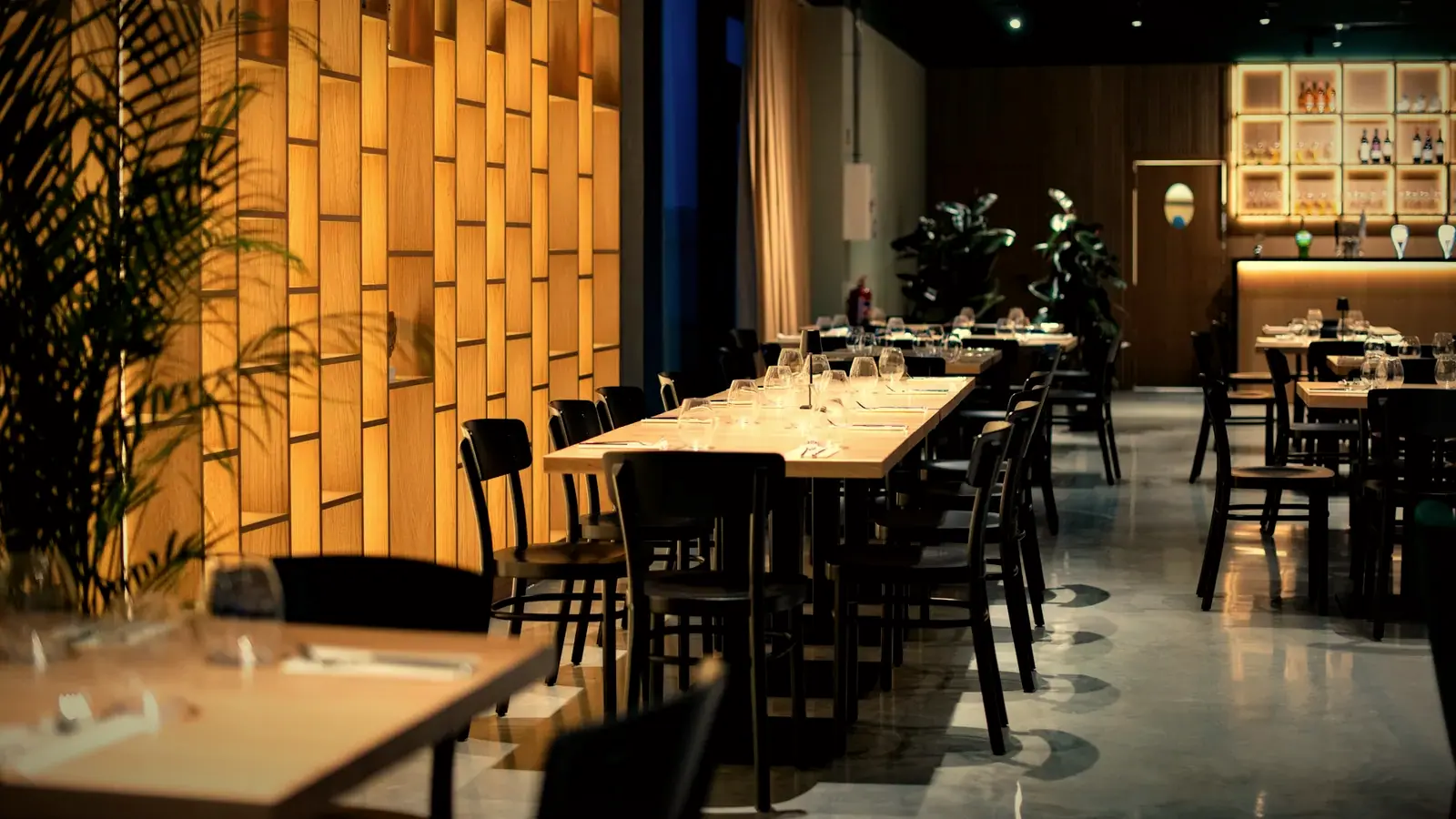
Food sells through the eye. We plan one proper shoot per season instead of endless phone snaps: hero dishes, the full menu, the room, the team and short vertical clips. The same assets feed Maps photos, menu pages and ads, which keeps the look consistent. Social media content planning starts from that shot list.
Influencers are common in Dubai dining, and they come with rules. Paid promotion by creators falls under UAE Media Council requirements, including advertiser permits and clear labelling. Confirm the current rules and who holds the permit before you pay anyone, and ask whether gifted meals count. Put approval of any claim about ingredients or health into the contract.
Food claims: say only what you can show
Dubai Municipality regulates food businesses in the emirate, and other emirates have their own food authorities. Marketing claims sit close to those rules and to UAE consumer-protection law. Treat any claim about halal status, ingredients, allergens or health as something the kitchen must be able to prove.
Check before you publish
- Halal, vegan or gluten-free labels match the kitchen’s real process and supplier paperwork
- Allergen statements are accurate and trained staff can back them up
- Words such as “organic” or “fresh” can be supported with documents
- Offers state conditions clearly, including dates and exclusions
- Photos show dishes as served, not a different dish or portion
- Reviews and testimonials are real, never written or bought
Confirm current requirements with the relevant authority before launching a claim, and keep the evidence on file.
What empty tables usually have in common
Problems we find first
- Hours on Google that are wrong over Ramadan, Eid or a summer closure
- A PDF menu that loads slowly and cannot be searched
- An Instagram bio linking to a homepage with no booking or order button
- Photos on delivery apps that were taken years ago
- Reviews left unanswered, including complaints
- Only one language, when guests search in two
- Influencer posts with no label and no approved claims
Most of these are fixed in days, not months. Start with the free audit and we will show which ones are costing you covers. If your restaurant sits inside a hotel, the same checks apply alongside the channel questions in hotel and tourism marketing.